Havana, Cuba: I spent a wonderful week in Cuba. It was a whirlwind tour of the northwest corner of the island. It is beautiful and remarkably safe: the benefits of a controlled society.
The food in Havana is a bit hit or miss. The restaurants are dependent on what is available in the government stores because Cuba imports 80% of its food.
There is a lot of talk about visiting Cuba before Americans ruin it and it turns into another Miami. With the embargo still in effect those days are a ways off. But Cuba is in an interesting position because the government can look at other Caribbean islands, and Mexico, and plan how best to open its borders.
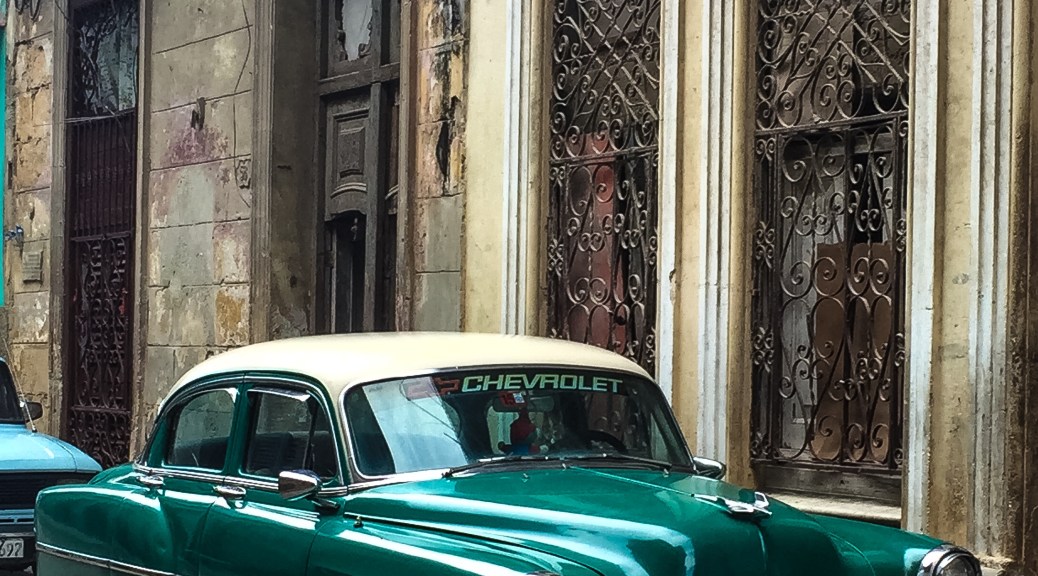
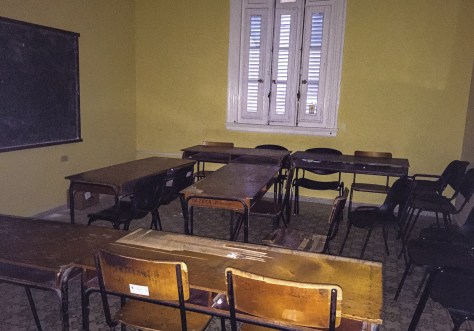
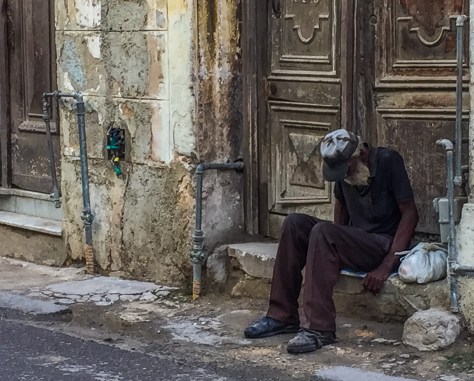
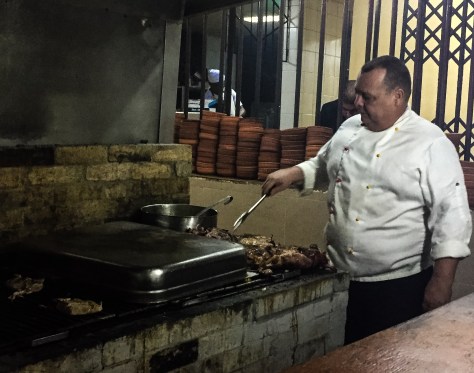
“The Embargo: The Longest Genocide in History” On the highways in and out of Havana there is still a lot of propaganda against the embargo. “Normalization is not Synonymous with Embargo” The Embargo is still a hot button issue in Cuba and in the United States. And while the countries have begun to communicate more effectively for the first time in 3 generations, this issue will be a huge hurdle to overcome. “Long Live Cuba, Young and Strong” Cuba has an aging population and, as a socialist country, the government recognize that policy has to change. But change has been slow and the younger generations continue to emigrate. Cuba is the 2nd oldest country in the Americas after Canada. Migration is highest among 25-35 year olds, and most emigrees are young women. Three out of four Cubans work for the government. The private sector is still small and cannot employ the remaining 25%. All Cubans engage in “La Lucha” (the struggle). The University of Havana is the most prestigious university in Central America. This is a classroom in the Hospitality Department. Cubans rely on remittances from family members abroad to supplement their income. The average salary is $20 a month. The additional income is not always enough to maintain a building. Most of the housing stock is 80 years old and 3 houses collapse every day. Homelessness is almost nonexistent in Cuba as housing is guaranteed by the government. But sometimes after buildings are condemned, and their owners are moved into temporary housing, squatters move in. Squatters are sometimes victims in building collapses. Old Havana’s streets are a riot of color. Cubans buy paint based on the remittances they receive. An architect in Havana points out that the lack of central management of the buildings favors individual tastes instead of collectivism. The kitchen at the Hotel Nacional. The Hotel Nacional is run by the government, which now compete with the nascent private sector restaurants: paladares. High fashion in Havana. Clothes in Havana are pretty casual, but Beyonce and Kim Kardashian’s visits had an impact.
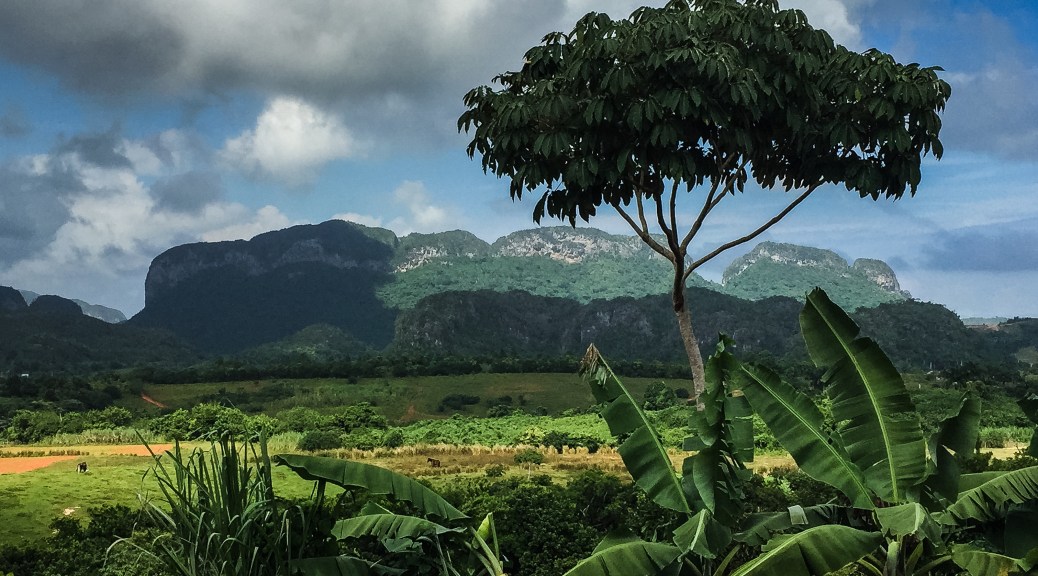
Viñales National Park, Cuba: During my trip to Cuba I spent a day in a beautiful valley three hours away from Havana. The food was fabulous as were the cigars.
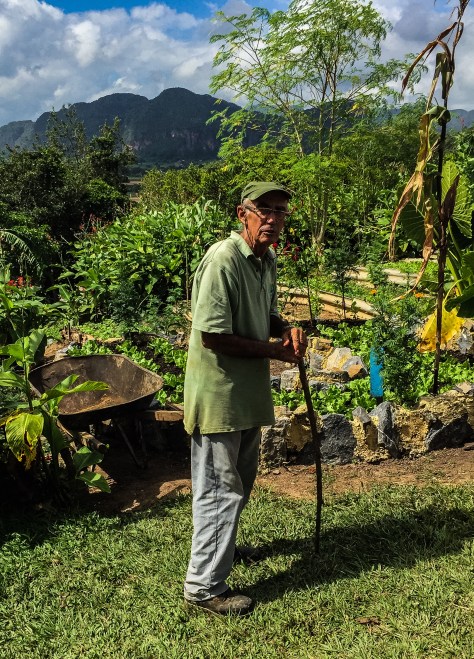
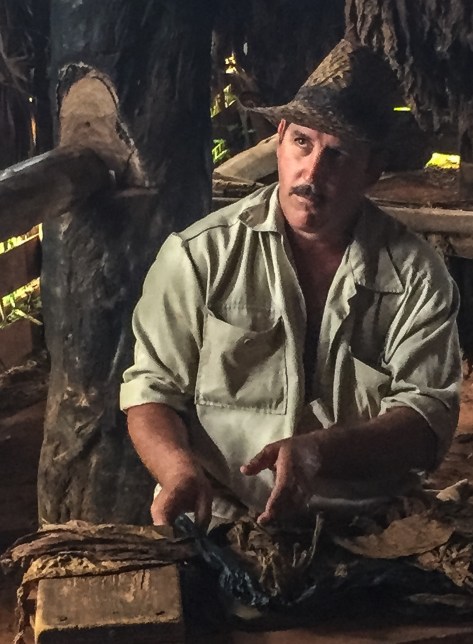
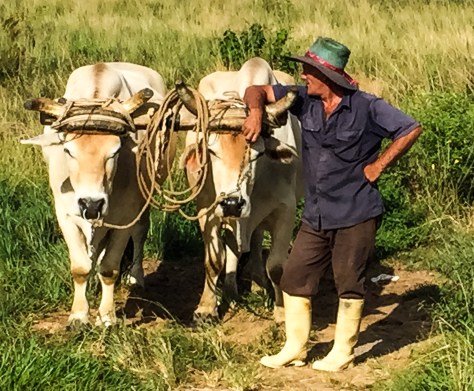
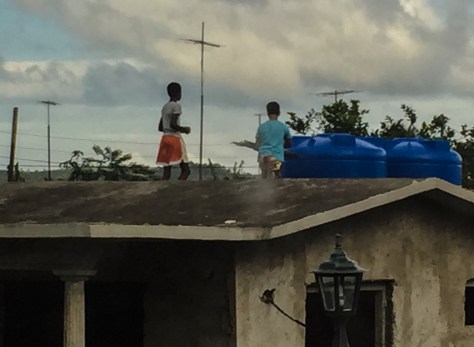
Viñales National Park is home to tobacco farms and Cuba’s nascent ecotourism industry. One such example of ecotourism is the Finca Agroecológica el Paraíso. The privately owned farm donates 90% of what it produces to people in the valley and sells the rest to tourists at its restaurant. Martín works at the farm and takes pride in their organic produce. Iván is a fourth generation tobacco farmer. He sells 90% of what he grows to the government. The rest he keeps for personal consumption and the occasional off the books transaction with tourists. In addition to old cars, Cuba does not have modern farming techniques. Many fields lie fallow. Many parts of Cuba are experiencing a drought. Water basins to store rain water are common on roofs throughout the country.






 elizabethboconnell