
Ayacucho, Huamanga, Peru: I wanted to go to Ayacucho because of its infamous history, and most of the tourists I met there were Peruvians doing the same thing.
El Sendero Luminoso (“The Shining Path”) so terrified the region that no one came to Ayacucho and anyone who could left it.
A huge percentage of the population fled the region. And while the population in the city is recovering the countryside remains sparsely populated and littered with abandoned houses.
The locals don’t like to talk about the last 30 years, they prefer to downplay it. Instead they change the subject to all the new construction happening in town or to the highway being built that will connect Ayacucho to Cusco, which will plant it firmly on the touristic map.

However, Ayacucho’s morbid history predates the communist terrorist by a century.
After the War of Independence the town was renamed Ayacucho, because Ayacucho means rincón de los muertes (“corner of the dead”) or morada de almas (“dwelling of the souls”).

The Huari ( or Wari, “hua” is pronounced as “wa”) who lived around 500 to 1100 AD near the modern site of Ayacucho. The Huari were influenced by the Nazca and Tiwanaku cultures.

They were ultimately conquered, and their numbers decimated, by the Inca.
The ruins near Ayacucho are huge and excavation has just begun. I saw two of the 12 sites in the area. The city in its heyday was quite big with an estimated 40,000 inhabitants at its peak.
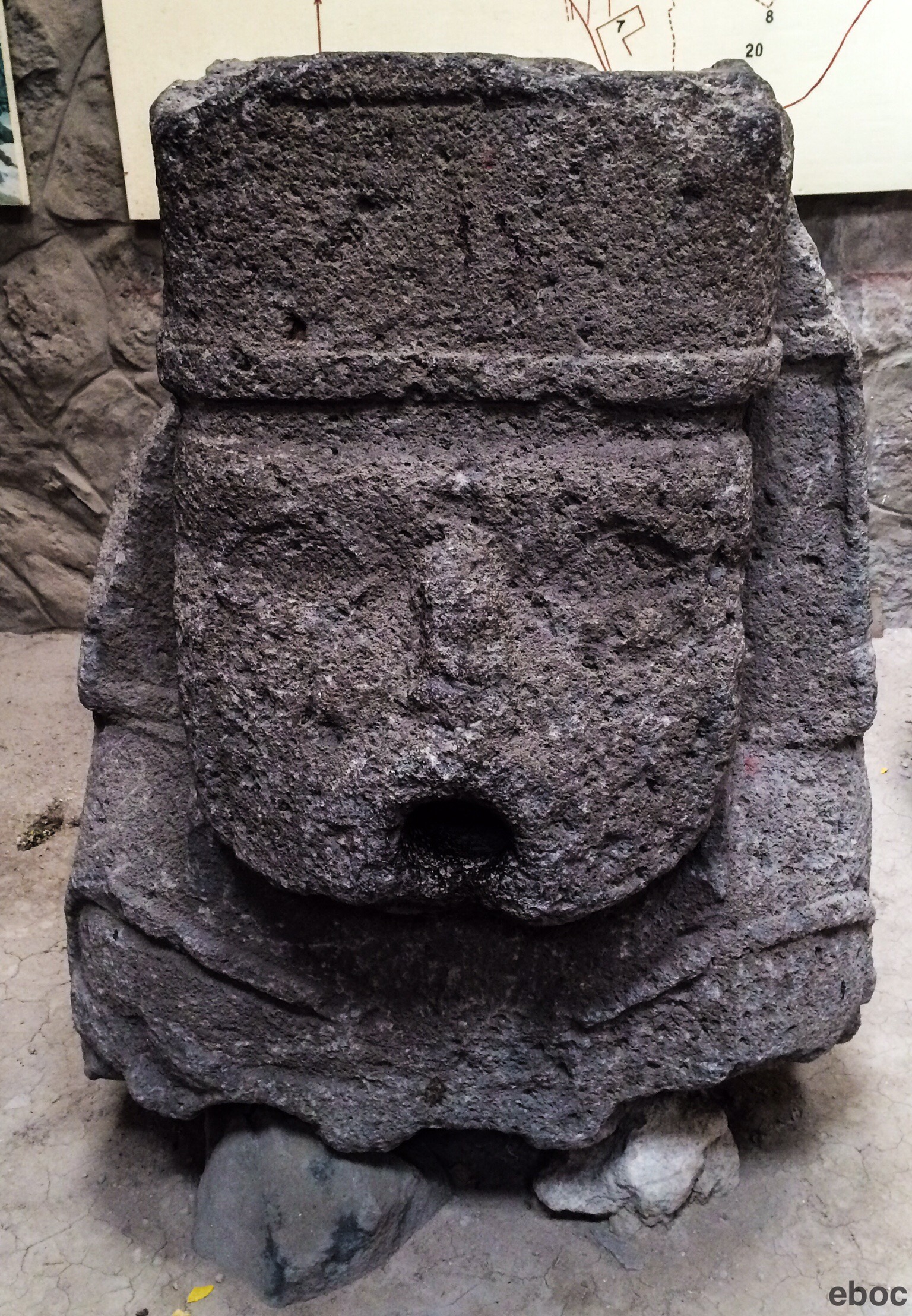
Chan Chan, in Trujillo on the coast, is the largest archeological site in Peru. But people in Ayacucho claim that Huari will be larger than Chan Chan when excavations are completed.
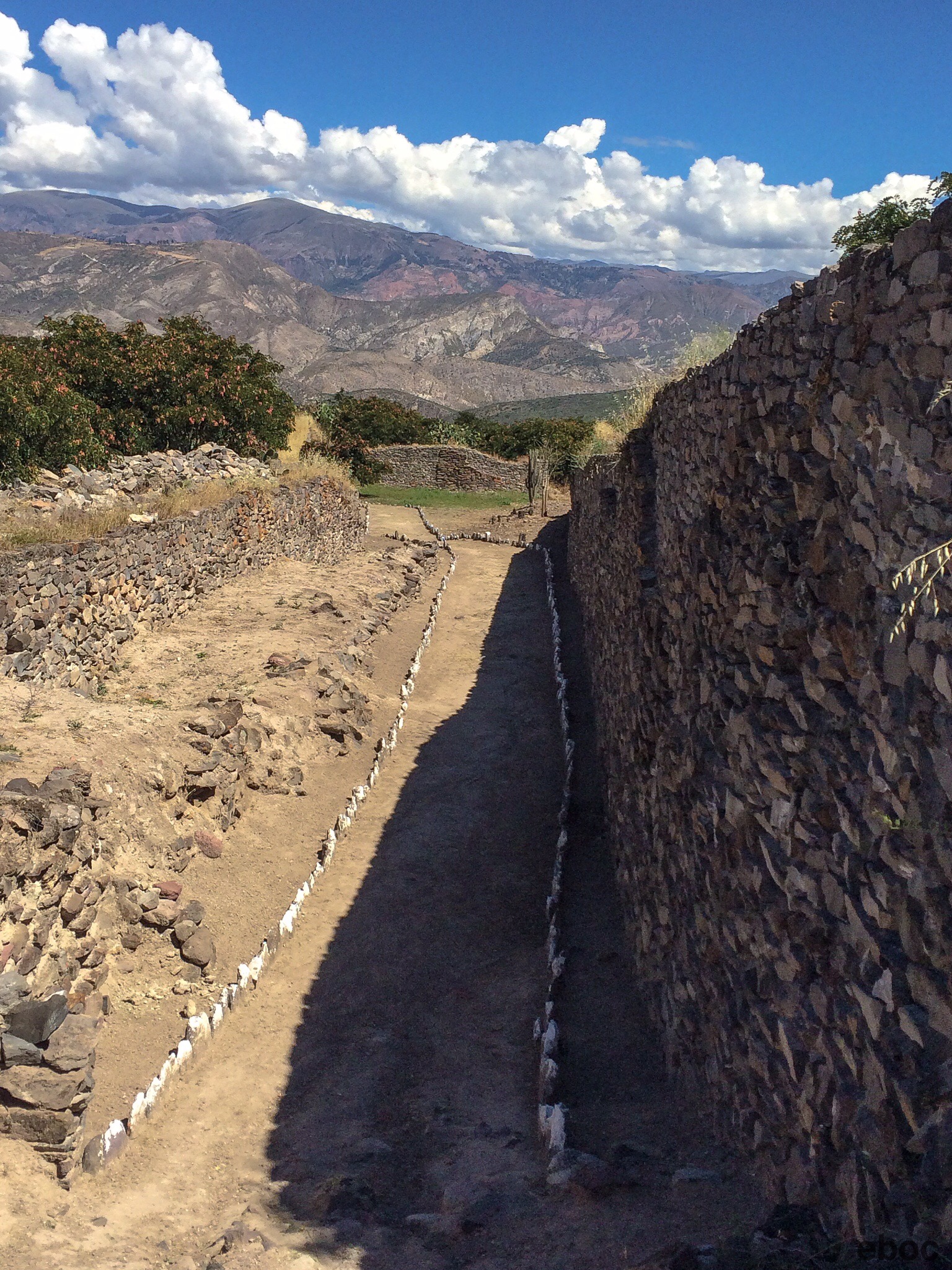
What is true that the Wari site is better preserved and hasn’t suffered as much from grave robbers. In a bizarre twist the terrorists helped preserve the area’s heritage.
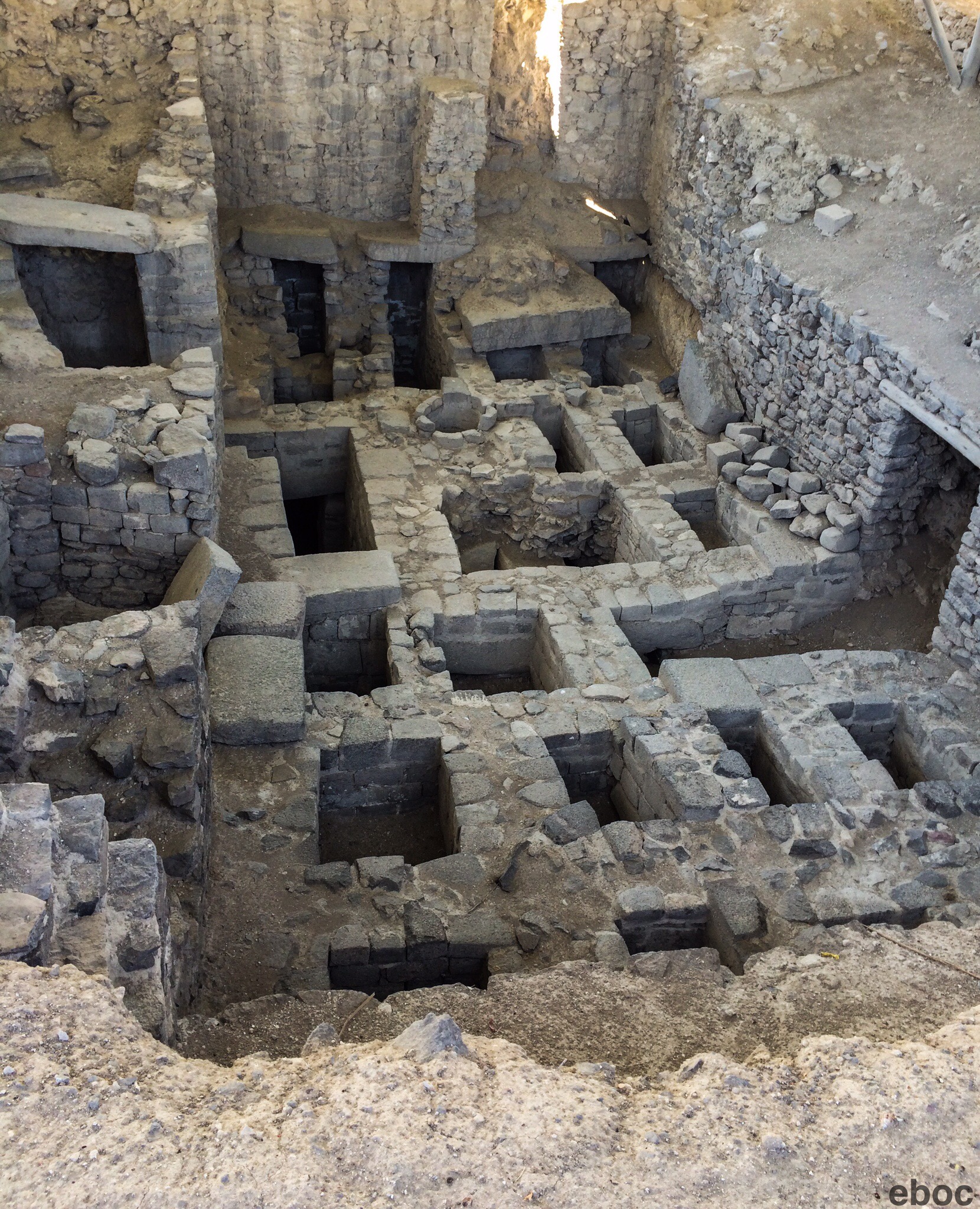
There were also remnants of the Warpa, who were a precursor to Wari. Warpa means antiguo (“ancient ones”).

Beyond Wari is the village of Quinua. On the other side of Quinua is the pampa where the Battle of Ayacucho happened. It is was such a decisive victory that it is considered the end of Spanish rule in South America, in addition to the end of Spanish rule in Peru. It was fought by one of Bolivar’s young lieutenants, Antonio José de Sucre, in December of 1824.

I always find visiting battle fields odd. Frequently they are stunning fields that happened to witness horrific bloodshed, but i found that hard to picture as I lay in the tranquil field. In this instance less than 1,000 of Sucre’s men died compared to 2,000 royalists.

The next day I went on a tour to Vilcas Huaman, which is an Incan site several hours away from Ayacucho.
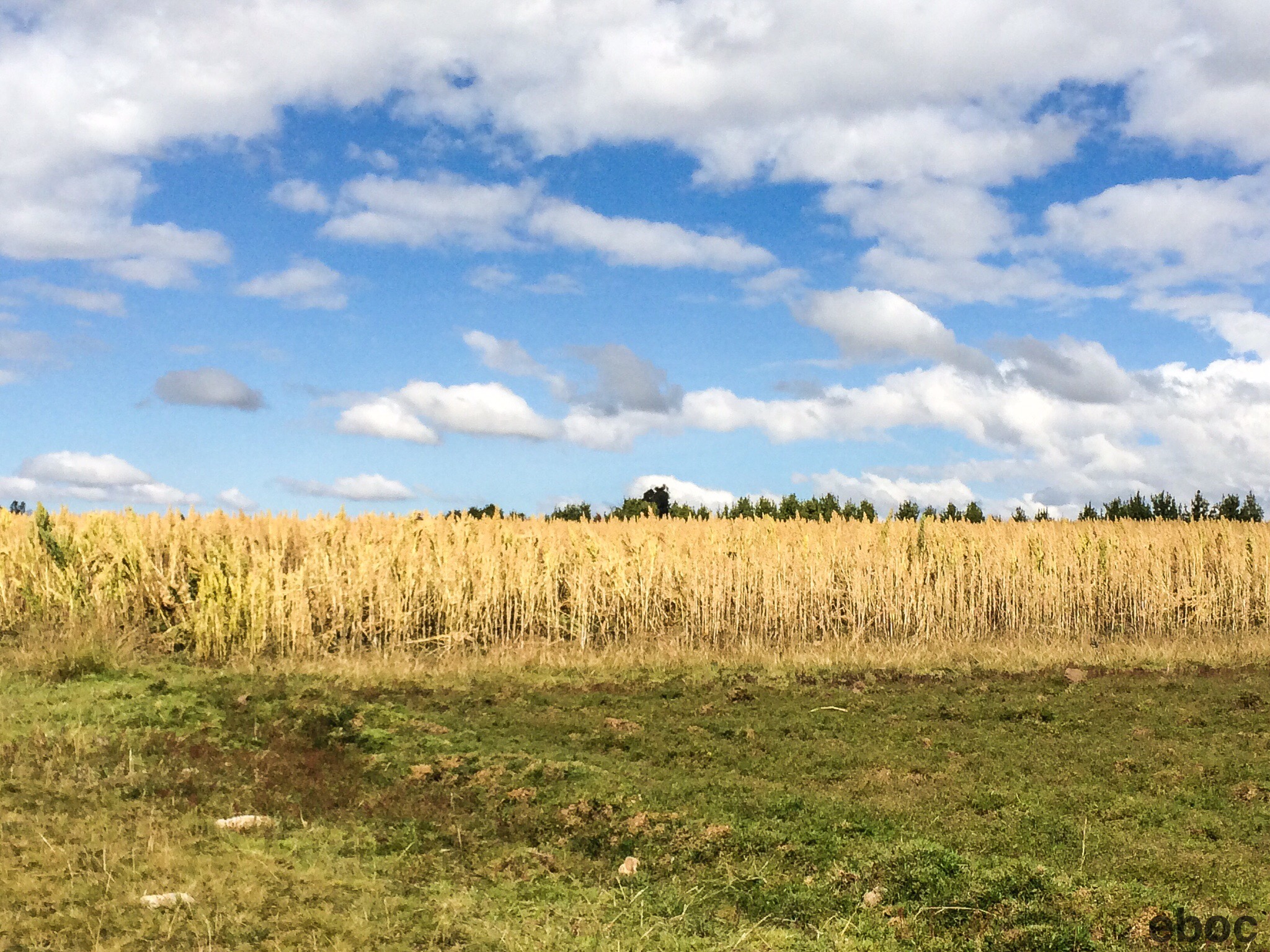
Along the way we stopped to see Puya Raimondii, which are palm tree like plants that have a flower that can grow up to 30 feet.

The ones I saw did not have the tall flowers and were young plants. To see the older, bigger plants we would have had to hike over to another mountain.

Our next stop was an Incan site where the Incan ruler kept his concubines.

Only the Incan ruler and his wife were allowed to visit.
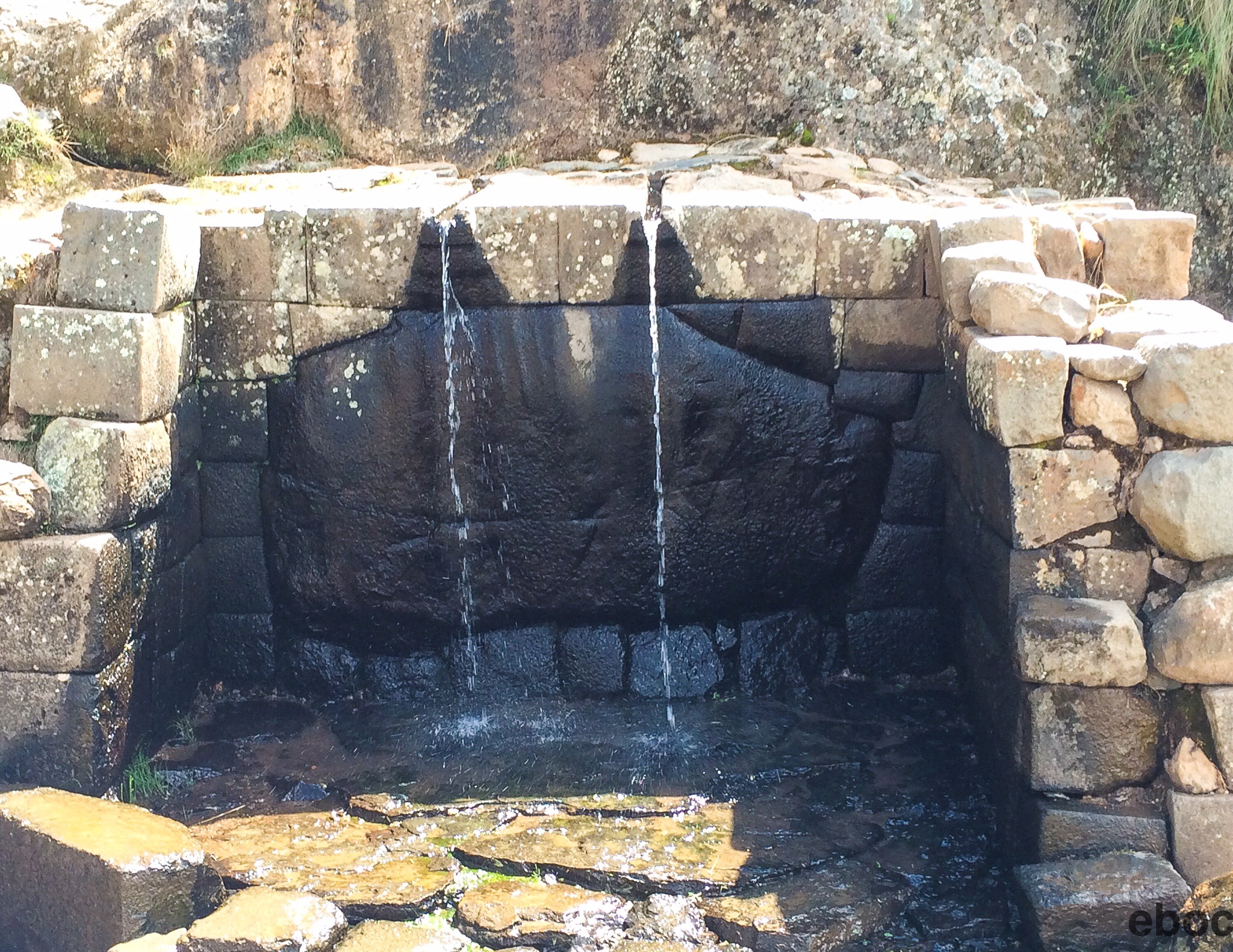
Acllahuasi — casa de las escondidas (“house of the hidden”) — housed women that my guide described as the Incan equivalent of a geisha.
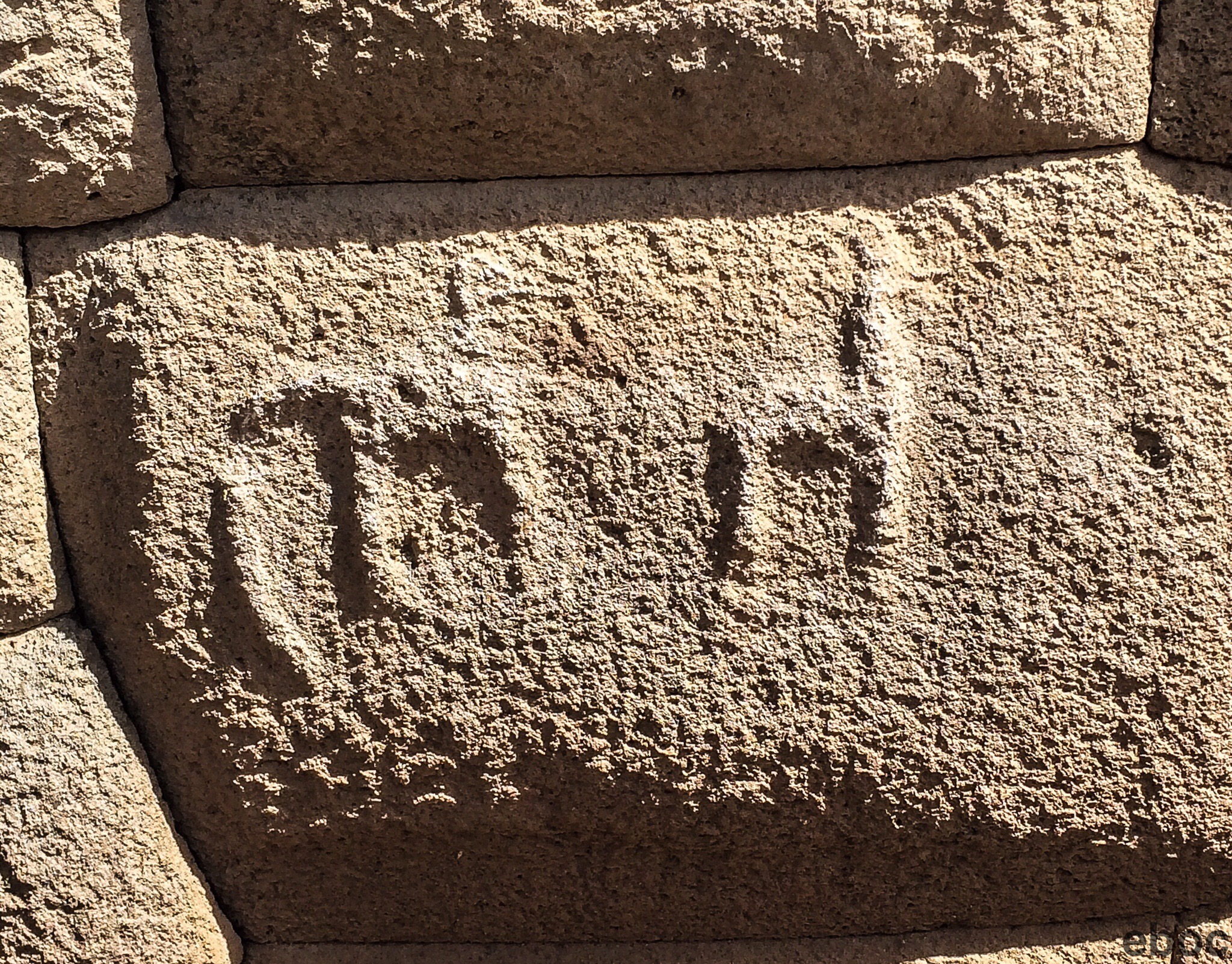
The ruins are next to a lovely lagoon that was constructed by the Incans.


After lunch we left the paved road and spent three bumpy hours on a dirt road. We finally got to Vilcas Huaman in the mid-afternoon. Vilcas Huaman — halcón sagrado (“sacred falcon”) — is a modern town surrounding the Ushnu.

It is one of the few examples of a pyramid built by the Incas. It’s believed to have been used for performing rituals.
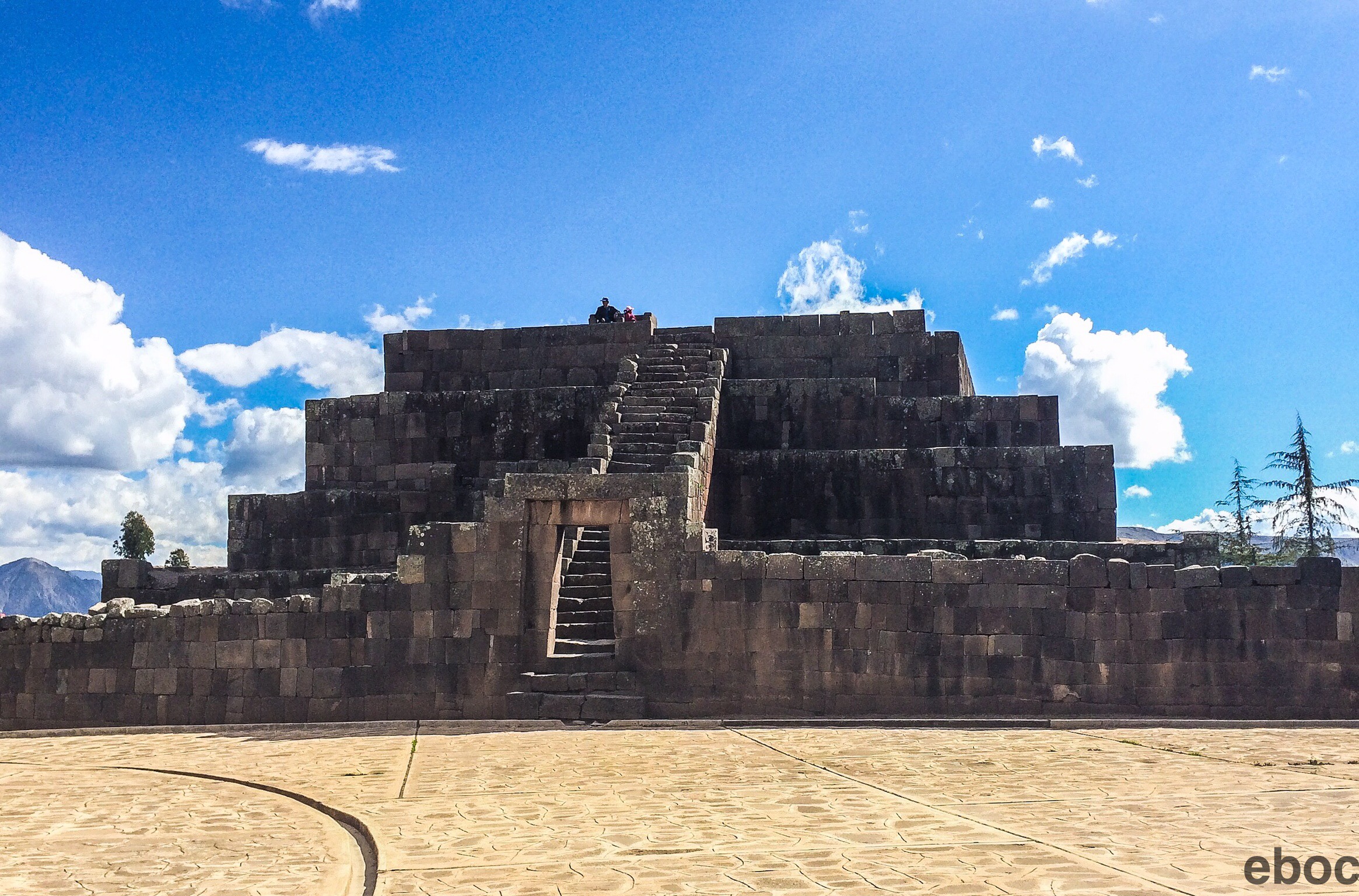

The other surrounding temples were pilfered for the stones by the locals.
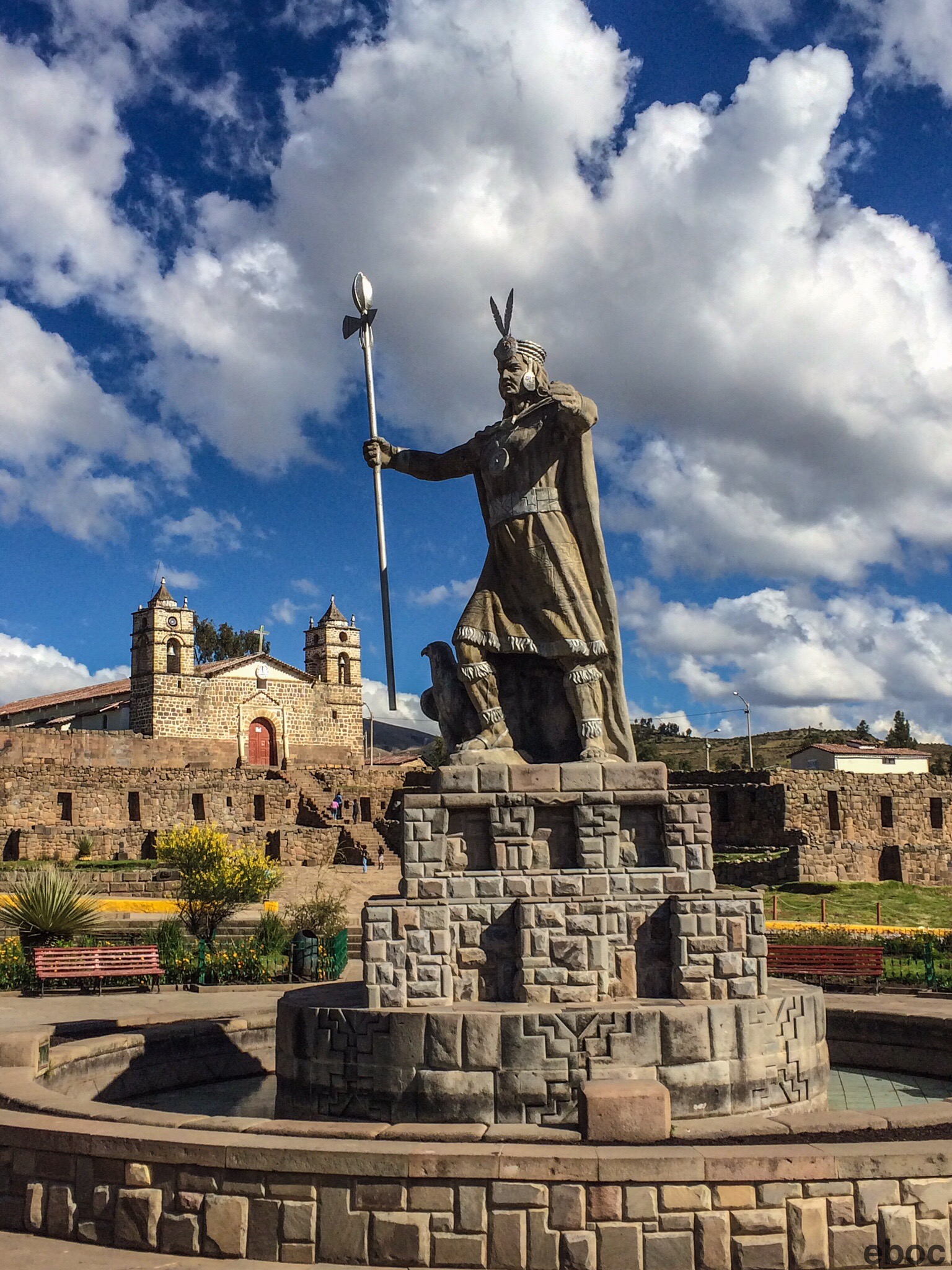
I was glad to see Ayacucho before tourism really catches on, and I think it would be fascinating to go back in 20 years to see how things change.
 elizabethboconnell